Exploring Wildlife Control: Proven Strategies and Dead Animal Removal Solutions
Animal control involves methods aimed at controlling wildlife and ensuring safe living conditions. Understanding the impact of common intruders is essential for homeowners. Effective prevention methods can greatly reduce the risk of wildlife intrusions. Additionally, the timely removal of dead animals is critical for health and safety. Yet, numerous individuals are still uninformed about the essential components of proper wildlife management and the value of expert assistance. What measures can be implemented to protect households and neighborhoods?
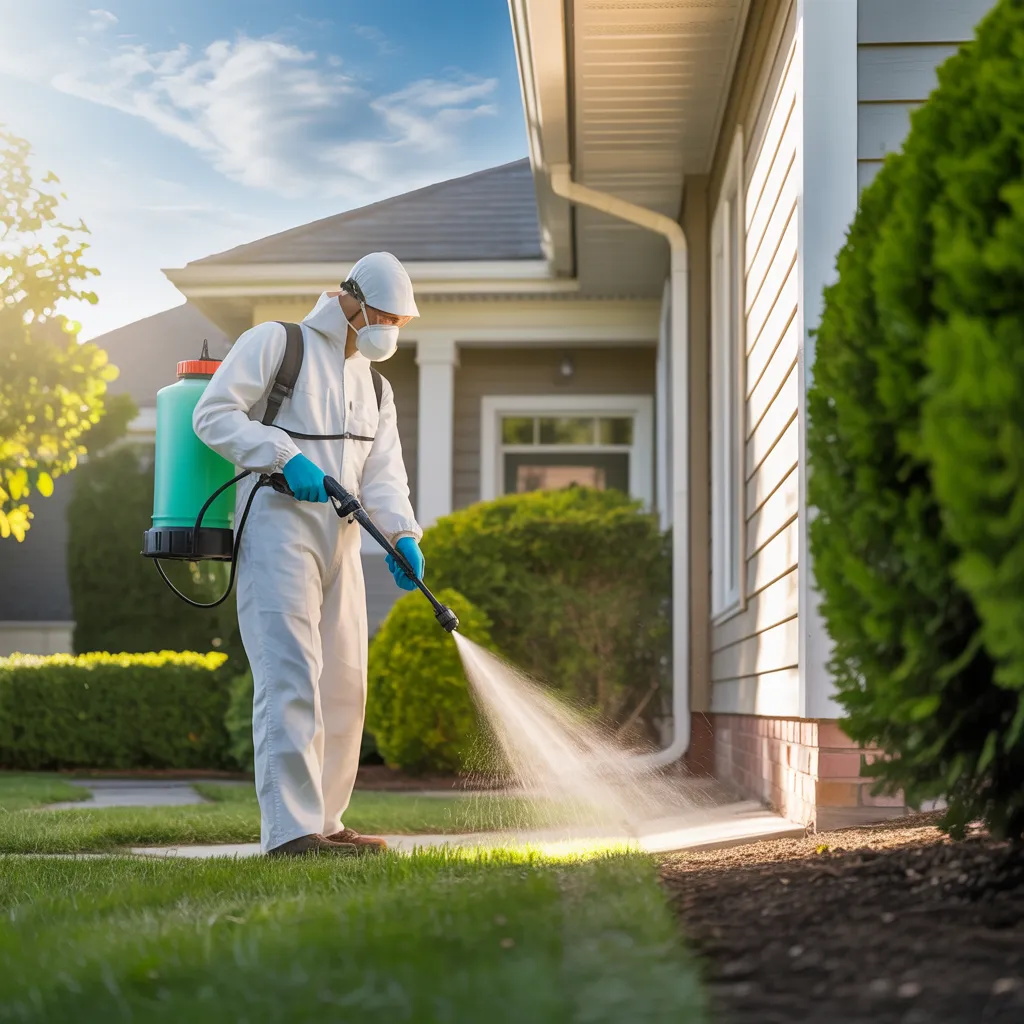
What Is Wildlife Management and Why Does It Matter?
Wildlife management encompasses a range of approaches designed to overseeing animal populations and their relationships with human surroundings. This approach is essential for maintaining ecological balance and reducing tensions between wildlife and humans. Successful wildlife control aids in preserving public health by minimizing the threats connected to zoonotic illnesses, which are capable of spreading from animals to people.
Moreover, it protects farming concerns by managing wildlife that endangers agricultural resources. By applying humane methods, wildlife control fosters harmonious living, ensuring that both human needs and animal welfare are prioritized.
Additionally, it acts to protect biological diversity by handling foreign species that can disrupt native ecosystems. All things considered, fauna management is vital not only for strengthening safety and limiting property damage but also for promoting a harmonious relationship between humanity and the environment.
How Typical Wildlife Invaders Cause Damage to Your Home
Common wildlife intruders present serious threats to residential properties, causing structural deterioration that can weaken a building's foundation. They can also contaminate insulation, creating health hazards for occupants. Furthermore, having these creatures nearby introduces serious electrical dangers, since they are known to gnaw on electrical wiring, heightening the likelihood of dangerous fires.
Structural Harm Hazards
The occurrence of wildlife pests can lead to considerable structural deterioration in homes. Creatures including raccoons, squirrels, and rodents frequently take advantage of weaknesses in home exteriors, creating entry points that compromise structural integrity. Raccoons, as a prime example, can tear off roofing materials and damage insulation, while squirrels often chew through electrical cables and timber beams, heightening the potential for fire hazards. Furthermore, digging animals can weaken foundations by forming underground passages, increasing the likelihood of structural collapse. As time passes, these breaches can allow moisture to enter, leading to mold growth and wood rot. Property owners must stay alert to signs of wildlife intrusion to prevent costly repairs and guarantee the safety and longevity of their properties. Swift action is necessary to address these threats.
Insulation Contamination Issues
Insulation serves as an essential barrier against temperature fluctuations, but it can readily be damaged by encroaching creatures. Animals such as mice and raccoons can rip apart insulation materials, creating pathways that allow for further entry into home structures. Their nesting behaviors frequently lead to contaminating the insulation with feces, urine, and various debris, resulting in widespread contamination. This not only diminishes the insulation's effectiveness but also poses health risks due to potential exposure to harmful pathogens. Additionally, decaying animal carcasses can emit unpleasant odors and attract further pests. Property owners should tackle insulation contamination quickly to preserve both energy performance and indoor air quality, highlighting the necessity of proper wildlife management and remediation strategies.
Electrical Safety Concerns
How do wildlife pests lead to electrical dangers in residential properties? Typical wildlife pests, including rodents and birds, can inflict considerable damage on electrical systems. Rodents, in particular, have a well-known habit of chewing on wires, resulting in exposed conductors and possible short circuits. This not only poses a fire risk but also increases the chances of electrical shock for homeowners. Furthermore, nesting debris from birds can block ventilation systems or build up near electrical panels, increasing the risk of fire. Beyond this, wildlife can bring moisture into the home through burrows or droppings, fostering conditions that promote corrosion and electrical failure. Addressing these risks through effective wildlife control and regular inspections is essential to maintaining a safe living environment.
How to Detect Evidence of Wildlife in Your Area
Identifying signs of wildlife presence is essential for successful management approaches. Common indicators include prints, characteristic sounds, and peculiar scents that can signal the intrusion of animals. Identifying these indicators promptly can assist in preventing harm to your property.
Common Wildlife Tracks
A large number of outdoor enthusiasts discover that identifying common animal tracks is crucial for understanding local ecosystems. Tracks vary by species, displaying characteristic shapes and measurements. For example, the tracks of deer appear heart-shaped, whereas raccoon tracks display a hand-like pattern with long, slender digits. Canine tracks, such as those of coyotes, display a more oval shape with visible claw marks. Observing the spacing between tracks can also provide clues about the animal's size and movement speed. Furthermore, noting claw impressions can begin here assist in distinguishing between different species; to illustrate, the tracks of a bobcat notably lack visible claw marks, setting them apart from a dog's prints. Grasping these nuances supports wildlife observation and conservation initiatives, deepening one's appreciation of the natural world.

Noises and Odors
Identifying wildlife existence often involves more than visible signs like footprints; noises and smells play important roles as well. Sounds such as movement in the shrubbery, scratching in walls, or after-dark vocalizations can suggest animals looking for sustenance or cover. Different species emit unique noises, making it easier to identify the likely animals involved. Odors, too, provide critical clues. A stale scent may suggest a hidden animal nest, while a unpleasant smell could indicate a dead animal nearby. Detecting these sensory clues empowers homeowners to respond without delay. By staying alert to both noises and odors, homeowners can accurately evaluate wildlife activity and implement proper containment actions before the problem worsens.
Wildlife Control: Effective Strategies for Preventing Animal Intrusions
Preventing animal intrusions demands a well-planned strategy that combines knowledge of wildlife behavior with effective deterrent techniques. Property owners must begin by locating possible access points, such as gaps in walls, attics, or basements, and secure them to prevent intrusion. Consistent upkeep of the premises, including tidying up refuse and safely containing rubbish, can reduce the likelihood of animals foraging for food.
In addition, using natural repellents like motion-sensing lights or sound equipment can deter unwanted wildlife. Landscaping selections also make a difference; incorporating native plants and keeping a well-maintained yard can minimize appeal for different species. Informing residents about local wildlife behaviors enhances awareness and proactive measures.
The Role of Professional Wildlife Control Services
When wildlife invasions surpass the ability of homeowners to handle, professional wildlife management services become a necessary solution. These dedicated services provide knowledge in detecting and resolving numerous wildlife concerns, providing both protection and conformity with local laws. Certified experts apply humane trapping approaches and exclusion practices to minimize the impact on local ecosystems while effectively resolving conflicts with wildlife.
In addition, these companies often offer comprehensive assessments of properties to identify potential entry points that may attract future infestations. By employing advanced tools and approaches, they can resolve the root origins of wildlife concerns, rather than merely treating immediate concerns. This preventative approach not only safeguards homes but also promotes coexistence with local wildlife. All things considered, hiring professional wildlife control services ensures that homeowners can address intricate wildlife problems with safety and efficiency, minimizing risks to property and their overall well-being.
Why Removing Dead Animals Is Essential
Having dead animals present on a property can create substantial health dangers and attract unwanted pests. Decomposing carcasses release harmful bacteria and pathogens, which can taint soil and water resources, threatening the well-being of people and animals. Furthermore, the smell coming from a decomposing carcass can disrupt the quality of life for nearby residents and create an unpleasant environment.
Furthermore, dead animals can become a source of food for scavengers, including rodents and other insects, resulting in new pest infestations. This can escalate into more serious complications, requiring more extensive pest control strategies. Prompt removal of dead animals is crucial to mitigate these risks and return the environment to a safe condition.
Expert deceased animal removal solutions are equipped to handle these situations efficiently, ensuring proper disposal and sanitation. By tackling the problem promptly, property owners can protect their health, preserve local ecosystems, and maintain the integrity of their surroundings.
What to Consider When Choosing a Wildlife Control Service?
Professional wildlife control services are essential for preserving a safe and healthy environment, particularly following concerns like dead animal removal. When seeking a wildlife control service, several key factors should be considered. As a first step, ensure the company is fully licensed and insured, as this confirms their legitimacy and protects against liability. Industry experience is a critical factor; a company with a proven track record is more likely to handle various wildlife issues effectively.
Furthermore, inquire about their practices for animal control and prevention, verifying they utilize humane and environmentally friendly methods. Client reviews and testimonials can shed light on the team's dependability and efficiency.
Ultimately, a reputable service should provide a thorough assessment and continued monitoring to deter future wildlife incursions. By assessing these factors, homeowners can select a wildlife removal company that prioritizes safety, efficiency, and ethical practices.
Common Questions and Answers
What Are the Legal Regulations for Wildlife Control in My Area?
Legal regulations for controlling wildlife vary by location, frequently necessitating permits for trapping and relocation. Local wildlife management agencies provide guidelines, guaranteeing the humane handling of animals and adherence to conservation regulations to protect both animals and ecosystems.
How Do I Safely Handle a Dead Animal on My Property?
In order to safely handle a dead animal, one should use protective gloves, employ a shovel for the removal process, seal the remains in two bags, and remove it following local disposal regulations, ensuring proper sanitation and minimizing health risks.
What Are the Expenses Involved in Wildlife Control Services?
Wildlife control service costs can vary significantly, generally falling between $100 and $1,500. Elements that affect the cost include the species of wildlife involved, extent of infestation, along with the control methods and preventative measures utilized.
Can Wildlife Control Fully Eliminate the Risk of Future Infestations?
Wildlife control can substantially decrease the probability of future infestations through preventive measures, but it does not ensure absolute protection. Continuous oversight and upkeep are necessary to reduce potential threats and handle emerging problems in a timely manner.
What Kinds of Animals Necessitate Specialized Removal Techniques?
Particular animals, among them raccoons, bats, and snakes, demand specialized extraction techniques owing to their particular behaviors and associated health risks. Experts must utilize targeted methods to secure safe and ethical handling during the extraction process.